Why Unique, Trademarkable Brand Names Matter
A unique brand name is your business’s handshake with the market. It sets the tone for your story, attracts attention, carries trust and builds recall value. Most importantly, it enables you to register and protect your brand as a trademark—essential for standing out and locking down your identity.
In 2024-25, over 5.3 lakh trademark applications were filed in India, yet many failed due to generic, descriptive, or already-used brand names. For MSMEs, understanding how to craft a power-packed and secure brand name is not a luxury, but the essential lifeline of the business.
Methods to Create Unique and Impactful Brand Names That Can Be Trademarked
These methods combine branding psychology, marketing strategy, linguistic creativity, and Indian Trademark Law principles (especially distinctiveness under the Trade Marks Act, 1999).
Each method includes Simple narrative + Why it is legally strong + Examples.
Note: For every method we list here, conducting a detailed trademark search, domain availability check and legal compliance before public use are necessary steps.
1. Coined / Invented Words (Completely New Creations)
How it works: Create a word that does not exist in any dictionary.
Examples: Mix syllables, merge sounds, or modify letters.
Why it works legally:
Invented words are the strongest category in trademark law. They have no pre-existing meaning, so they are highly distinctive.
Why it works in branding:
Invented names sound modern, tech-driven, and instantly ownable.
Examples:
- Infosys → Coined word of “Information” + “Systems”
- Tanishq → Unique coinage from “Tan (body)” + “Nishk (jewel)”
- Fevicol → Combo word of ‘Fevi’ (reference to adhesives) and ‘Col’ (German word for bonding two things)
- Biocon → Coined word of “Biology” + “Conservation”
- Vedantu → A blend of Veda (“knowledge”) and Tantu (“network”) from Sanskrit language
- Biscoff → Coined of words ‘biscuit’ and ‘coffee’
Formula:
Syllable 1 + Syllable 2 = Brand
E.g., Inno + vera = Innovera
Benefit: Fit for trademark application, if no prior filing exists.
2. Portmanteau / Fusion Names (Two Words Blended)
How it works: Merge meaningful halves of two words.
Good for showing the business domain within a unique format.
Legal advantage:
Because the final word is not a common word, it becomes distinctive.
Branding strength:
Easy to remember, meaningful, but still original.
Examples:
- Airtel → Air (wireless) + Tel (telephony)
- Zepto → Derived from the word “zeptosecond,” sextillionth of a second, conveying speed
- Beetel → Bee + Tel (telephony)
- Zerodha → Derived from “Zero” and Rodha”(rodha meaning “barrier” in Sanskrit)
- OYO → Invented new word, simple, global-sounding (can mean “Own Your Own”)
Formula:
Half of a meaningful word 1 (half of “ecological” ) + Meaningful word “wave” makes
Eco + wave = Ecowave
Benefit: Open for trademark filing, only subject to prior non-filing.
3. Altered Spelling of a Common Word with Distinctiveness
How it works: Take a known word, but not a terminology of the product / its industry and twist the spelling while keeping the distinct meaning or sound.
Legal advantage:
Spelling variations create distinctiveness, making registration possible.
Branding advantage:
Feels modern and catchy.
Examples:
- Zomato → Derived tweaking the spelling of “Tomato”
- Flipkart → “Flip + cart” modified spelling
- Fastrack → from “fast track”
- Paytm → Pay + “Tm” (Through mobile)
- Blinkit → Blink + It (indicate speedy delivery)
- CRED → Shortened from “credit”
Formula:
Word → Change letters and create unrelated words to the activity or industry.
E.g., Quick → Qwikk
Benefit: Qualifies for trademark registration, if not previously applied.
4. Abstract / Meaningless Words (Strongest Legally)
How it works: Create a brand name with no dictionary meaning (‘Xerox’ style).
Legal advantage:
Highest distinctiveness → strongest to legally protect.
Branding advantage:
You define the meaning over time (brand = meaning).
Examples:
- Myntra → An invented name, easy to pronounce
- Meesho → An abstract name derived
- Bira 91 → “Bira” is an abstract element & “91” (India’s country code)
- Jio → A short invented sound like जियो in Hindi meaning “live”
- Ola → Created word with no inherent meaning
Formula:
Pleasant Sound + Rhythm
E.g., Mivo, Zelto, Rivvo
Benefit: Eligible for trademark protection, if not filed earlier.
5. Acronyms / Abbreviations (Meaningful Compressions)
How it works: Compress a long phrase into 3 to 4 letters.
Legal advantage:
Acronyms are inherently distinctive unless directly descriptive.
Branding advantage:
Short, sharp, looks corporate and credible.
Examples:
- HCL → Hindustan Computers Limited
- SBI→ State Bank of India
- HDFC → Housing Development Finance Corporation
- ITC→ Indian Tobacco Company (later diversified)
- TROM→ Trademark Online Management
Formula:
Long phrase → First letters → Acronym
E.g., Global Retail Operations → GROS
Benefit: Valid for trademark application, unless previously filed.
6. Symbolic or Metaphorical Names (Using Imagery)
How it works: Use an object, concept or phenomenon that conveys brand personality indirectly.
Legal advantage:
Non-descriptive symbols are easy to trademark.
Branding advantage:
Instant emotional connection and storytelling potential.
Examples:
- Thums Up → Meant for “Thumbs up”, indication of satisfaction
- Lotus Herbals → symbolizes purity, beauty
- Titan → Refers to the Titans of Greek mythology, known for immense strength
- Nykaa → Derived from the Sanskrit word Nayaka means “one in the spotlight”
- RedBus → Simple metaphor for travel
Formula:
Symbolic Noun + Brand Value
E.g., BluePeak, SilverLeaf
Benefit: Can be filed for trademark, if not already in process.
7. Foreign Language Words (Simple & Meaningful)
How it works: Use attractive foreign-language words that relate to brand character but are not descriptive in English/Hindi.
Legal advantage:
Foreign words not common in India seem “invented” legally.
Branding advantage:
Creates premium, global perception.
Examples:
- Maruti → Sanskrit word meaning meaning “Son of Wind”
- Lakmé → French version of the name “Lakshmi”
- Aveda → Derived its name from “Ayurveda” become a global hair and skin care brand
- Rah → Hindi word meaning “Path” or “Direction”
- Puma → Spanish (name of a specific wild cat)
- Sanyo → Japanese (Three oceans, which refers to the Atlantic, Pacific, and Indian Oceans)
Formula:
Foreign word (positive meaning) = Brand
E.g., Vita (life) → Vitao
Benefit: Registrable as a trademark, provided no filing has been made.
8. Evocative Names (Emotion-driven but Not Literal)
How it works: Use abstract or emotional words that suggest the outcome but don’t describe the product.
Legal advantage:
Evocative words are suggestive, not descriptive → easily registrable.
Branding advantage:
Creates aspiration, value-perception and storytelling depth.
Examples:
- MakeMyTrip → Evokes action
- Sugar Cosmetics → Evokes feel, not content
- Usha → Meaning “morning twilight” in Sanskrit, evokes positive feeling and a sense of reliability.
- Axis Bank → “Axis” evokes a central position, implying stability and trust.
- Firstcry → “FirstCry” is an evocative name for babies, kids and mothers
- Paper Boat → Evokes nostalgia of childhood
- Wildcraft → Evokes adventure
Formula:
Emotion/Action + Imagination
E.g., RiseWell, BoldStart, DeepPockets
Benefit: Registrable as a trademark, provided no filing has been made.
9. Geography + Modifier (If Non-Exclusive & Distinctive)
How it works: Combine a location with a unique suffix/prefix.
Legal note:
Pure geographical names are not registrable, but modified ones are.
Branding advantage:
Creates regional authenticity and pride.
Examples:
- MRF → Madras Rubber Factory
- Wipro → Western India Palm Refined Oil
- HMT → Hindustan Machine Tools
- FACT → Fertilisers and Chemicals Travancore
Formula:
Place + Distinctive Word
E.g., GoaVista, AssamEdge
Benefit: Trademark-ready, provided no prior application exists.
10. Compound Words (Two Real Words Joined in a New Way)
How it works: Use two ordinary words but combine them uniquely.
Legal advantage:
Combination is treated as a distinctive whole, provided it does not evoke a quality statement like “best”.
Branding advantage:
Easy recall, easy pronunciation, high clarity.
Examples:
- PhonePe → Directly linking the mobile device to the act of payment.
- IndiGo → “Indi” for India and “Go” for travel and movement
- Firstcry → “First” and “Cry” combo indicates products for babies, kids
- Mamaearth → Cmbined “mama” for motherhood and “earth” for natural and eco-friendly ingredient
- BlinkIt → Blink refers to the fast action of blinking an eye and “Blink it” triggers the message “Do it quickly”, the brand’s core promise of speedy delivery.
- Lenskart → Merges “lens” (the product) with “kart” (change the spelling of cart, the shopping mechanism).
Note: The word “Lens” would likely face trademark objections for being merely descriptive under trademark law since it directly names the core product being sold / direct reference to products. Acquired secondary meaning with the creative “kart” suffix may be considered with inherent distinctiveness.
Formula:
Word 1 + Word 2 = Brand
E.g., SkyBasket, FreshRoot
Benefit: Can be filed for trademark though not the best option, if not already in process.
11. Mythology-Based Names (Indian Cultural Depth)
How it works: Use names from Indian mythology, gods, symbols, or stories.
Legal advantage:
Mythological names are generally registrable if not generic for the category.
Branding advantage:
Strong cultural resonance and instant recognition.
Examples:
- Maruti → Named after Hanuman (son of wind god Vayu), symbolizes speed, strength and reliability in automobiles
- Lakmé → French derivation of Lakshmi (goddess of wealth and beauty), evokes prosperity and beauty in cosmetics
- Ambuja Cement → Derived from Amba Devi (form of Durga/Parvati), mythological connection now synonymous with construction
- Titan → From Greek mythology’s Titans (powerful primeval deities), suggests strength, quality and grandeur in watches/lifestyle
- Patanjali → Named after ancient sage Patanjali (composer of Yoga Sutras), invokes traditional Indian heritage and Ayurvedic wellness
- Siyaram’s → Derived from Sita and Ram (Ramayana figures), evokes traditional Indian values, trust and family in textiles
Formula:
Myth Name + Modern Twist
E.g., IndraTech, VedaPure, AgniFoods
Benefit: Mythology-based names instantly evoke deep cultural resonance and aspirational values.
Note: Mythology-based trademarks must acquire secondary meaning through extensive commercial use to overcome objections of being merely descriptive or lacking distinctiveness as generic mythological references alone may not qualify for trademark protection.
12. Phonetic Branding (Sound-Based Naming)
How it works: Choose sounds that are sharp, fast, or emotive to recall easily.
Legal advantage:
Sound-based words without meaning are distinctive.
Branding advantage:
Fast recall + high memorability.
Examples:
- BoAt → While Brand uses the phonetic simplicity of “BoAt” to suggest a relaxing journey into sound.
- Bira 91 → The “Bira” part of the name is simple, fun and easy to articulate, fitting the brand’s youthful, craft beer image.
- Myntra → This invented name uses a phonetic structure that is easy to pronounce across India’s diverse linguistic landscape.
- Pepperfry → The online furniture retailer combines two simple, common words to create a name with a catchy, phonetic quality that is fun to say.
- RedBus → The name uses simple, monosyllabic words that create a clear, phonetically strong identity. The sound “Red Bus” is easily associated with bus travel.
- Swiggy: → The food delivery app, “Swiggy” is a playful, invented name with a lively sound that suggests swift and speedy delivery service.
Formula:
Pleasant sound + easy spelling & easy to remember
E.g., S, FlyMiles, HoniDrop
Benefit: Trademark-ready, provided no prior application exists.
13. Emotional + Attribute Equation (Psychology + Marketing)
How it works: Combine an emotional word with a functional attribute.
Legal advantage:
Combination creates uniqueness.
Branding advantage:
Builds human connection + communicates value.
Examples:
- GoodDay → Explicitly uses “Good Day” (emotional aspiration) to link the product attribute of bringing joy and positivity to daily life.
- Happilo → Merges “Happy” (emotional well-being), promising joy through healthy snacks.
- GoodKnight → Combines “Good” (safety) with “Knight” (protector attribute), evoking emotional security for a protected sleep.
- Vimal → Derived from the Sanskrit word for “pure” (emotional desire for quality), linking with a spotless reputation to the fabric.
- Ola → The name, a phonetic simplification of the Spanish “Hola” (hello), combines a friendly, welcoming emotion.
- Aashirvaad → The major food brand (flour, spices, etc.) uses the Hindi word for “blessings” (emotional resonance) bringing traditional goodwill into the home.
Formula:
Emotion + Attribute
E.g., HappyRoots, TrueKhushee
Benefit: Open for trademark filing, subject to prior non-filing.
14. Functional Metaphor with Unique Twist (Suggestive + Creative)
How it works: Suggest the benefit indirectly but with a creative twist.
Legal advantage:
Suggestive marks are allowed; descriptive ones are not not approved legally.
Branding advantage:
Clear benefit signal without losing distinctiveness.
Examples:
- Wakefit → The name is a functional metaphor using the combination of “Wake” and “Fit,” suggesting the direct benefit of using their products (e.g., mattresses and pillows)
- CaratLane → This online jewelry retailer’s name combines “Carat” (a measure of diamond weight/purity) with “Lane” (suggesting a path or shopping street).
- Vistara → A premium airline, its name comes from the Sanskrit word ‘Vistaar’; means “limitless expansion”, provides a metaphor suggesting a premium, vast and relaxing experience.
- Urban Company → Uses the metaphor of a modern lifestyle (“Urban”) combined with the efficiency and ease of a professional service company (“Company”)
- BigBasket → This name creates a clear visual and functional metaphor of a large container (“basket”) for holding a large quantity of groceries, being an online supermarket.
- ipronline.com → Uses the domain name as its brand name to create a functional metaphor with core activities, highlighting the modern, accessible online process & delivery.
Formula:
Benefit Metaphor + Creative Twist
E.g., ShieldUp, GrowNest
Benefit: Fit for trademark filing, subject to the non-existence of earlier applications.
15. Crowdsourced / Community-Driven Naming (Simple Version)
How it works:
- Ask your customers, employees, or the public for name ideas.
- You can hold a contest or invite suggestions online.
- Get creative input and pick the best name.
Legal advantage:
- Crowdsourced names are often unique. Just be sure to check trademark and domain availability.
- Get a written transfer of rights from the winner.
Branding advantage:
This method builds buzz and early loyalty. People feel connected when they help name your brand.
Actionable Steps:
- Announce a naming contest.
- Shortlist and check names.
- Check for trademark/domain rights.
- Award and announce the winner.
- Get a written transfer of rights from the winner, making sure you legally own the name.
Examples of Indian Brands with Crowdsourced or Community Contest:
- Tata Tiago: Name picked from public contest entries.
- Ola: Friendly, easy name refined with community feedback.
- Happilo: Choose logo and package style from customer polls.
- Snackible, Bombay Shaving Company: Run Instagram/WhatsApp naming contests won by customers.
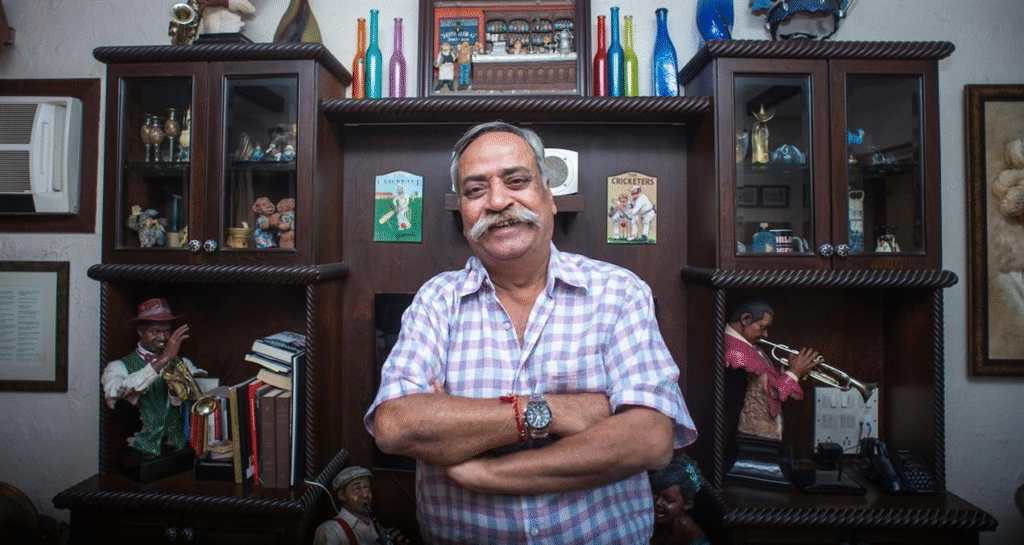
Remembering the towering pillar of Indian branding, Late Shri Piyush Pandey!
Attention MSMEs!
Domain Name Selection to Build Brand Name’s Digital Power
Choosing the right domain name for your website is a critical step after crafting your unique, trademarkable brand name. Because your domain is not just your online address- it is often the first impression for customers, partners and even investors. For Indian MSMEs aiming to grow locally and internationally, this choice combines marketing, legal and practical considerations.
Research-based best practice: Indian MSMEs with clean, matching domain and brand names enjoy higher search visibility and customer trust, giving them a head start for online traffic, reputation and digital sales.
Start Domain Search Early: Begin your search at the same time as your brand name brainstorming. Use reliable registrars such as GoDaddy, Namecheap, Google Domains, or India-based registrars like BigRock. Check for exact brand matches.